
Kirkland homeowners pay some of King County's highest property tax bills. Here is the math, where the Assessor goes wrong, and what to do about it.
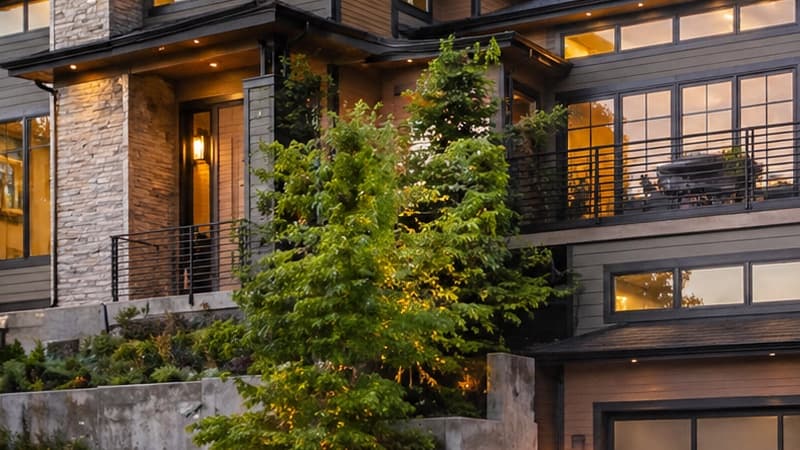
A typical Kirkland 2026 property tax bill is about $11,000, from a median single-family assessed value near $1.28 million at roughly 0.85 percent. The 2026 King County window is July 1 or 60 days from the Official Property Value Notice mail date, whichever is later.
The median assessed value for a Kirkland single-family home runs around $1.28 million. At King County's effective rate, that produces a tax bill in the $10,500 to $11,500 range. Homes in the upper third of the market push past $12,000 to $15,000 or more. Worth knowing before you set it to autopay and move on.
If your property tax bill feels too high, the savings math below uses your own numbers. For a personalized review of your Kirkland home (a comp pull, a property record check, and a real savings estimate), enter your address on the homepage. The review is free; Fair Appeal only collects a percentage of first-year tax savings when the appeal actually wins.
Look up if you are overpaying on your Kirkland home.
King County reassesses every home every year and leans on neighborhood comps without seeing condition.
How Kirkland property taxes are actually calculated
King County reassesses every Kirkland property every year. The Assessor uses a mass-appraisal model that pulls recent sale prices through a formula weighting square footage, year built, lot size, and neighborhood comps. What the model does not do is walk through your front door.
It does not see the original 1996 kitchen tile. It does not see the windows past their replacement date, or that the back of your lot faces a sound wall on NE 85th. It runs its numbers, produces a value, and that value gets multiplied by the effective tax rate to produce your annual bill. Most Kirkland neighborhoods land between 0.78 and 0.89 percent, averaging around 0.85 percent across the city's levy districts.
Where the Assessor gets Kirkland wrong
Mass appraisal works on average, cold comfort when your home is not average. A few patterns show up most often.
Remodel-sale drag
Older homes get bought, gut-renovated, and resold near $1.8 million. When a flipped house two doors down closes at that price, the model can pull nearby values up even if yours is the un-renovated original. You end up paying for a renovation you never got.
Waterfront adjacency
"Near the lake" and "on the lake" are different things to a buyer, and the formula is not always sharp about which side of that line you sit on.
The 2021-2022 peak-buyer problem
If you bought at the top and King County is still valuing your home near what you paid even though nearby comps have softened, you are paying taxes on a number the current market would not give you.
What a Kirkland appeal actually looks like
Kirkland homeowners appeal through the King County Board of Equalization. The 2026 filing window runs through July 1, or 60 days after your Official Property Value Notice mails, whichever is later. Hearings run 15 to 30 minutes by phone, and the Board wants concrete evidence, not argument.
The strongest Kirkland cases come down to recent sales that support a lower value, documented condition issues, or an outright error in your property record (wrong square footage, bedroom miscount, an over-generous finish-quality grade). Any one of those, well-supported, can bring the number down.
For the full process and what evidence holds weight, see the 2026 King County property tax appeal guide, the Kirkland local guide, or the Bellevue property tax guide.
Is it worth the effort?
Run the math: at Kirkland's effective rate of around 0.85 percent, a $100,000 reduction in assessed value saves roughly $850 a year. Given where Kirkland values sit, cases that move $50,000 to $150,000 are not uncommon. Whether the case is there takes about two minutes to find out.
FairAppeal handles the full process from review through hearing, and only charges a percentage of first-year tax savings if the appeal actually reduces your taxes. most Kirkland homes have at least one angle worth pursuing, and the 2026 window is still open.
Look up if you are overpaying on your Kirkland home.
King County reassesses every home every year and leans on neighborhood comps without seeing condition.