
An Amherst homeowner opens the 2026 Notice of Tentative Assessment and the bill jumps. Here is what the Williamsville-side math usually shows.
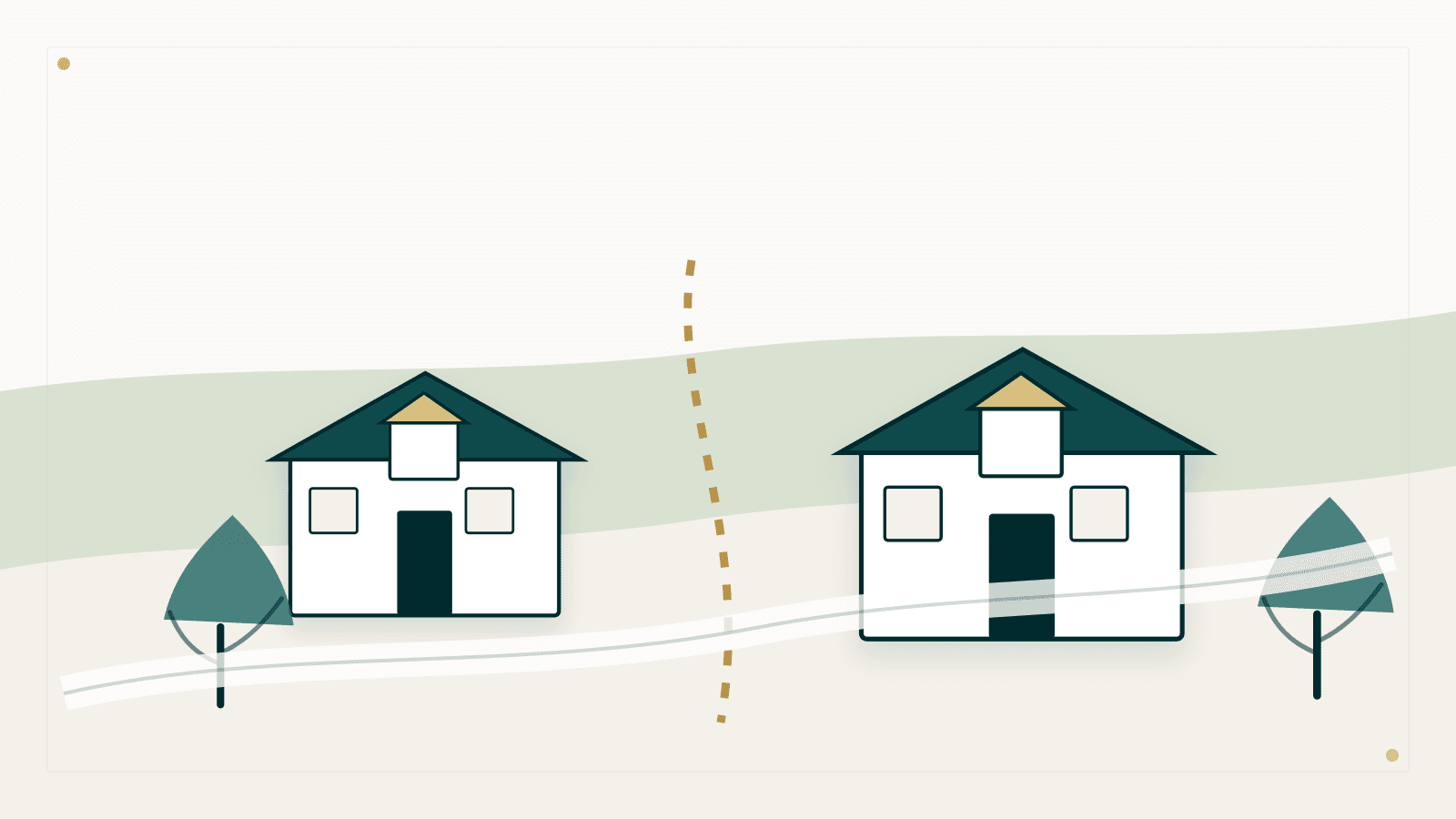
Amherst 2026 bills run high when Williamsville-side sales get used to value a central-Amherst home that does not share that buyer pool. The tentative roll was built against hotter 2024 and 2025 inventory, and Grievance Day is Tuesday, May 26, 2026.
What happened on the 2026 Amherst roll?
The tentative roll was built against 2024 and 2025 Amherst sales that ran hot, particularly Williamsville-CSD inventory under $400,000. The town's spring valuation used those Williamsville-side comps to value the homeowner's central-Amherst Cape Cod, which sits outside the Williamsville district and has not seen the same buyer pressure. The combined effective rate sits near 2.6 percent against an assessed value of $345,000. The actual market for that Cape Cod, on a non-Williamsville-CSD street, runs closer to $300,000, which would put the bill near $7,800.
What is the Amherst takeaway?
Sticker shock on a 2026 Amherst bill is usually a comp problem before it is anything else. The Williamsville premium pulls the town-wide model upward and the homeowner pays for a buyer pool the home was never going to see. Fair Appeal handles the full property tax appeal at the Amherst Board of Assessment Review and only charges a percentage of first-year tax savings when the value comes down. FairAppeal monitors the Amherst roll every year, not just once. The statewide grievance procedure is published by NYS Tax & Finance. For the full Amherst picture see the Amherst property tax appeal guide.
Representative example based on typical Amherst cases.
Look up if you are overpaying on your Amherst home.
In Amherst, Williamsville school district homes carry a different tax rate than Amherst district homes a block away.
Frequently asked questions
- Why did my Amherst property tax bill jump in 2026?
- The 2026 Amherst tentative roll was built against 2024 and 2025 sales, with Williamsville-CSD inventory running ahead of central-Amherst inventory. When the town's spring valuation uses Williamsville-side comps to value a non-Williamsville home, the apparent assessed value can run materially higher than the actual local market supports.
- Is a 14 percent assessment jump appealable in Amherst?
- Any tentative assessment can be challenged at Grievance Day if the homeowner believes the value exceeds what the home would actually trade for. A 14 percent jump is not automatically appealable, but it usually warrants a review of the home's assessment against the local market.
- When is the Amherst grievance deadline for the 2026 roll?
- The 2026 Amherst Grievance Day is Tuesday, May 26, 2026, the statutory 4th Tuesday in May under New York Real Property Tax Law. The completed grievance form must be received by the Amherst Board of Assessment Review on or before that date.